
Spatial Finance: Geospatial Intelligence in Investing
The financial field is not a static world, originally limited to earnings calls and market developments, where most data was generated quarterly. Rather, it is dynamic, driven now by spatial finance – the joint use of geospatial intelligence and investment analysis. Spatial finance changes the way investors assess risks, identify opportunities, and conduct portfolio management activities. Geospatial data provides us with a high level of detail related to the economic, environmental, and societal dimensions of asset performance.

What is Spatial Finance?
Spatial finance is a newly emerging specialization that applies geospatial data, such as satellite imagery, GIS, remote sensing, and location-based data analytics, to finance. Unlike traditional finance, which revolves largely around structured market data, spatial finance considers the environmental and physical context of certain assets, a consideration that was not previously possible.
Applications of spatial finance include:
Real-time risk assessment: Natural disasters, exposure to climate change, and geostrategic instability can be assessed with geospatial data.
Optimized asset valuation: Investors can assess land use, urban encroachment, and infrastructure project information to better estimate asset performance.
Supply chain analytics: Geospatial intelligence maps global logistic networks, identifying bottlenecks and anticipating cost impacts.
Geospatial Intelligence in Investment Analysis
Geospatial intelligence (GEOINT) is the actionable gleaning from geo-spatial data. In investment, geospatial intelligence provides predictive analytics that improve both alpha generation and risk mitigation. Examples of practical applications include:
Satellite Imagery for Market Insights
Satellite imagery offers high-frequency and high-resolution data for monitoring industries such as agriculture, energy, and retail. Computer vision and machine learning are used to detect changes in crop yields, oil storage capacity, and foot traffic in retail.
For example:
Agricultural Commodities: Analyzing NDVI (Normalized Difference Vegetation Index) using satellite data can provide predictive analysis of crop productivity affecting futures trading.
Energy Markets: Monitoring storage tanks and refineries can allow analysts to predict periods of crude supply increase before the official reports come out.
Risk Assessment Using GIS
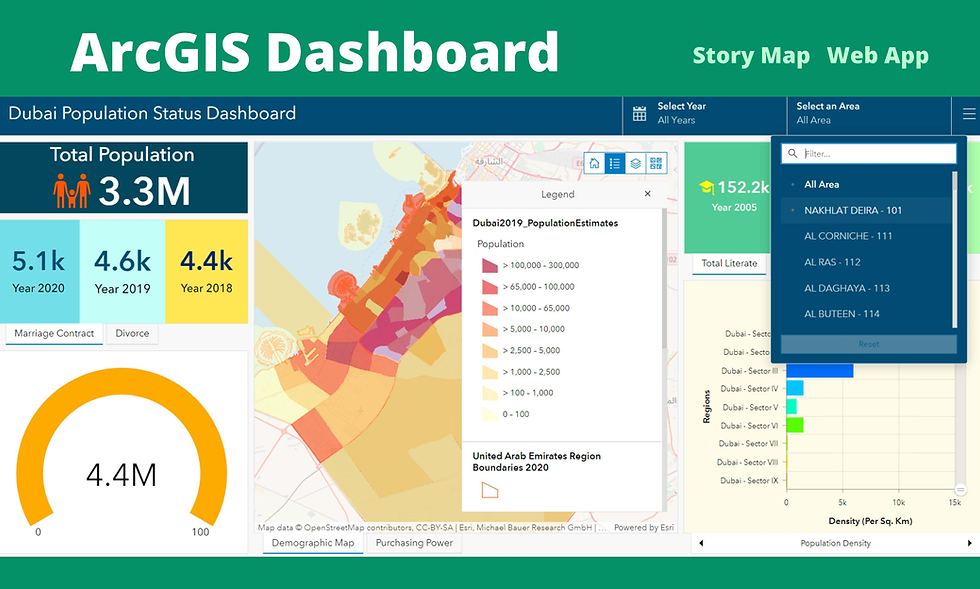
GIS platforms can incorporate multiple layers of data, such as demographic data, facilities, environmental risk, and the known performance of assets in the past. The analyst can correlate this information layers to their portfolio of investments and assess their exposure to risks related to climate change, urban sprawl, and regulatory changes.
Climate risk modeling: By combining GIS with climate simulation models, analysts can model the impact of flooding or wildfires on property and insurance exposure.
Urbanization analytics: Mapping population growth and transportation networks can assist with real estate development. It can also aid in real estate investment trust (REIT) investments.
Spatial-Temporal Data for Predictive Trading
High-frequency spatial-temporal data, which measures movement trends, traffic management, and economic activity, can be layered into quantitative trading models. Hedge funds and institutional investors can leverage this data to discover signals of market shifts, supply-demand disruptions, and emerging themes within sectors.
Retail sales forecasts: Measuring foot traffic through mobile geolocation systems can be used to forecast sales trends of consumer companies.
Commodity tracking: Real-time tracking of vessels can identify disruptions in the global supply chain impacting commodity prices.
Challenges in Spatial Finance
Although spatial finance has a great deal of promise, it has technical and operational barriers to overcome:
Data integration: Merging disparate geospatial datasets with financial models requires resilient ETL (Extract, Transform, Load) pipelines.
Data accuracy and resolution: There are differences in the temporal and spatial resolution of satellite imagery and GIS data that can affect reliability.
Regulatory compliance: The utilization of location-based data is regulated by privacy laws (locally) and international regulations (internationally).
The Future of Geospatial Investing
Spatial finance is expected to transform investment processes, especially regarding ESG (Environmental, Social, and Governance) investing, climate risk evaluation, and alpha generation using alternative data. With greater access to high-resolution satellite technology, AI-based analytics, and cloud GIS (Geographic information system) technologies, investors can incorporate location intelligence into every phase of the investment decision-making process.
Key Points
Spatial finance relies on geospatial intelligence to elevate investment intelligence.
Satellite imagery, GIS analytics, and spatial-temporal data provide predictive transparency.
Spatial finance's integration into ESG and risk management strategies means better investment in the future.
Investors who deploy spatial finance have an advantage by understanding not only the numbers but the physical realities of how markets work throughout the world.
For more information or any questions regarding spatial finance, please don't hesitate to contact us at
Email: info@geowgs84.com
USA (HQ): (720) 702–4849
(A GeoWGS84 Corp Company)


Comments